Pinacoteca360
← Back to works
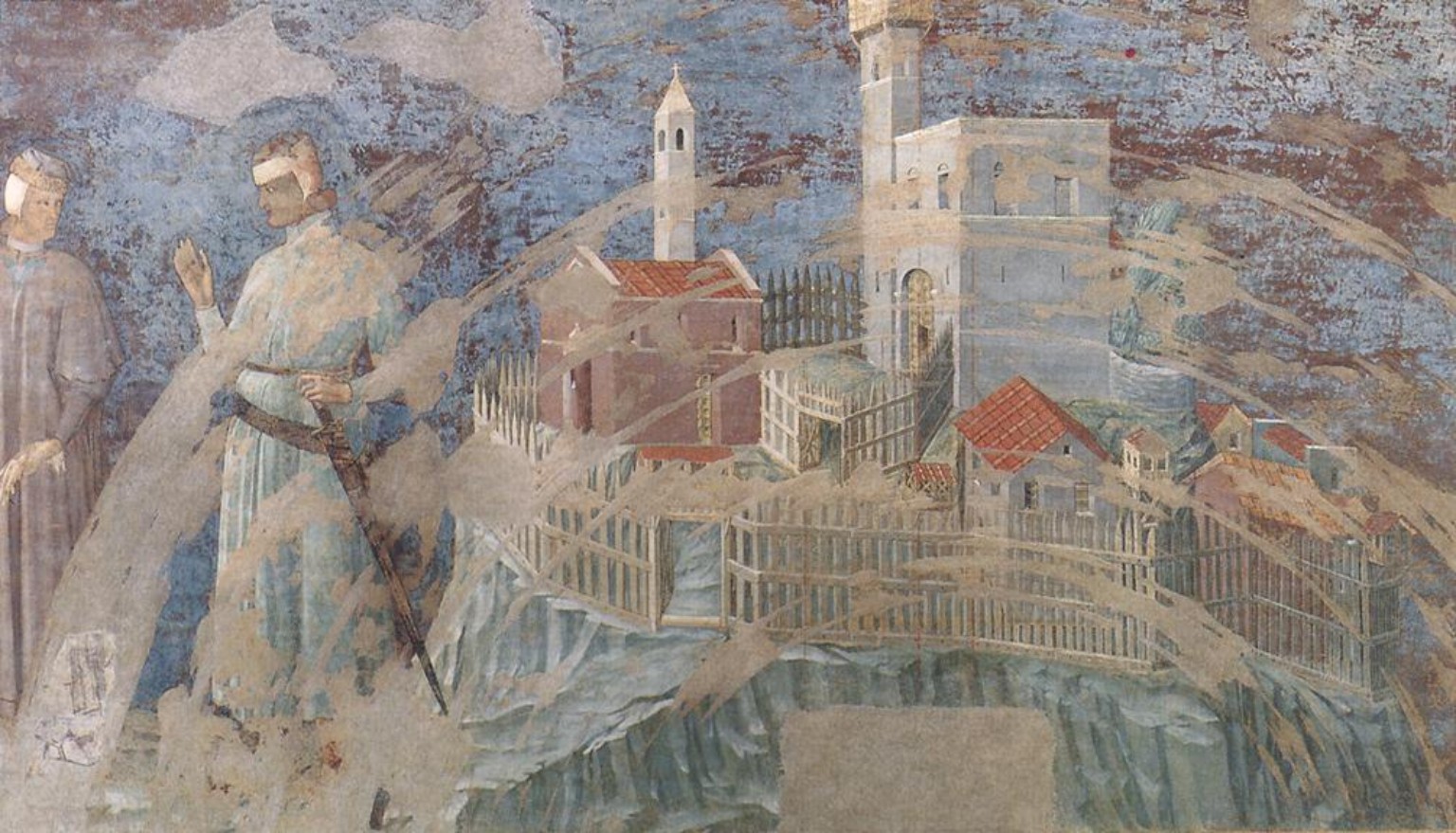
Surrender of the Castle of Giuncarico
Work record

Surrender of the Castle of Giuncarico

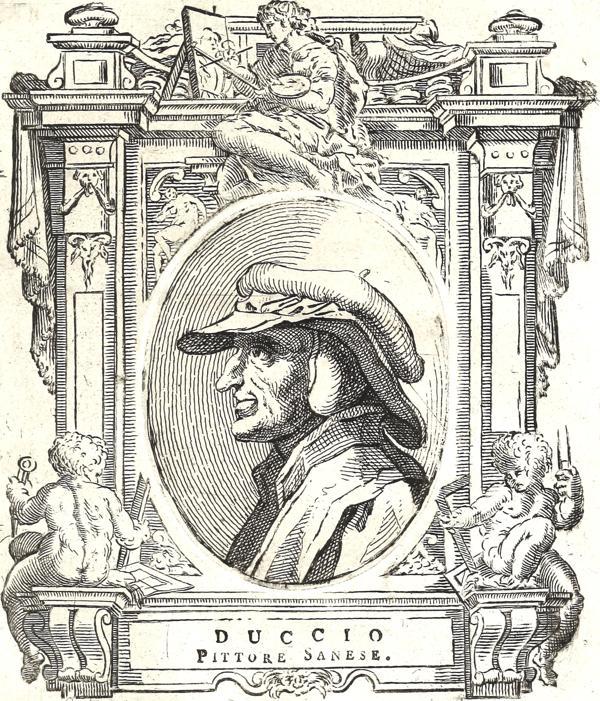
DuccioDisputed attribution
About 1314, if the subject is the surrender of Giuncarico
Dimensions
height 220 cm × width 380 cm
Signature
Unknown
Current locationPalazzo Pubblico, SienaSiena · Italy

Description

Extended description

🔒

Surrender as an Image of Power

Formal and compositional analysis
🔒

Architecture and Landscape: Describing a Fortress

Iconography and symbolism
🔒

The Fresco and Political Memory in the Palazzo Pubblico

Historical and cultural context
🔒

The Hidden Fresco and the Scars of a World Map

Stories and curiosities
🔒

Work record

Data

Date
About 1314, if the subject is the surrender of Giuncarico
Dimensions
height 220 cm × width 380 cm

Classification

Estilos

Italian Gothic

Escuelas

Sienese School

Géneros

LandscapePintura histórica

Técnicas

Fresco

Soportes

Enlucido mural

Current location

Palazzo Pubblico, Siena
Siena · Italy

Authorship and commissioners

Authorship

Duccio
DuccioAuthor · Disputed attribution

Cataloguing notes

Fresco conservado in situ en la Sala del Mappamondo del Palazzo Pubblico de Siena. La identificación con la rendición de Giuncarico y la fecha hacia 1314 proceden de una reconstrucción historiográfica basada en la deliberación del Consejo General de Siena del 30 de marzo de 1314; otras propuestas identifican Arcidosso, Sticciano o Castel del Piano. Atribución controvertida: Luciano Bellosi defendió a Duccio, pero se han propuesto Pietro Lorenzetti, Simone Martini y Memmo di Filippuccio. Treccani recomienda mantener anónimo al autor. La National Gallery of Art, Washington, considera plausible atribuir la pintura al Duccio tardío; la Web Gallery of Art la cataloga como obra de maestro italiano desconocido. Dimensiones de aproximadamente 220 × 380 cm, según publicación del Metropolitan Museum of Art; pueden corresponder al conjunto conservado y son aproximadas. Descubierto de nuevo en las restauraciones de 1979–1980. Las marcas curvas se relacionan con el gran mapamundi giratorio asociado a Ambrogio Lorenzetti que ocupó la misma pared desde mediados del siglo XIV. Fuentes: Treccani, National Gallery of Art Washington, Metropolitan Museum of Art, Web Gallery of Art y Wikimedia Commons.